In today’s digital playground, kids are trading swings for screens faster than you can say “screen time.” While technology can be a fantastic tool, it’s easy for children to get lost in the pixelated abyss of video games, cartoons, and social media. Parents often find themselves in a battle against the screen, armed with nothing but a snack and a plea for outdoor play.
But let’s be real—too much screen time isn’t just a minor glitch in the system. It’s like letting kids eat candy for dinner every night. Sure, it’s fun at first, but before you know it, they’re bouncing off the walls and forgetting how to interact with real-life humans. Understanding the impact of excessive screen time on kids’ health and development is crucial, and it might just save parents from future meltdowns—both theirs and their kids’.
Overview of Screen Time Trends
Screen time for children has increased dramatically over the past decade. Reports indicate kids aged 5 to 18 spend an average of 7 hours daily on screens, which excludes schoolwork. Parents often observe their children prioritizing devices over outdoor play and social interactions.
Device usage rises in response to global events, such as the COVID-19 pandemic. During this period, families turned to screens for education, entertainment, and connection. Virtual learning environments became essential, leading to an unexpected surge in screen time.
Children engage with various screens, including tablets, smartphones, and televisions. These devices provide access to diverse content, from games to educational programs. While some exposure can foster learning and social engagement, excessive use can lead to negative health outcomes.
Concerns about mental and physical well-being often focus on prolonged screen time. Research links excessive screen exposure to issues like obesity, sleep disruption, and increased anxiety among children. Experts suggest limiting recreational screen time to just 1 to 2 hours daily for children aged 2 to 5 years.
Engagement with screens often replaces critical outdoor activities. Outdoor play contributes to physical health and social skills development. While technology offers benefits, parents must balance screen time with active, screen-free alternatives.
Statistical analysis reveals a correlation between increased screen time and decreasing participation in sports and outdoor activities. In 2021, only 24% of children engaged in daily physical activity, highlighting the shift in lifestyle habits. Awareness of these trends enables parents to take proactive steps to manage screen time effectively.
Effects of Too Much Screen Time for Kids
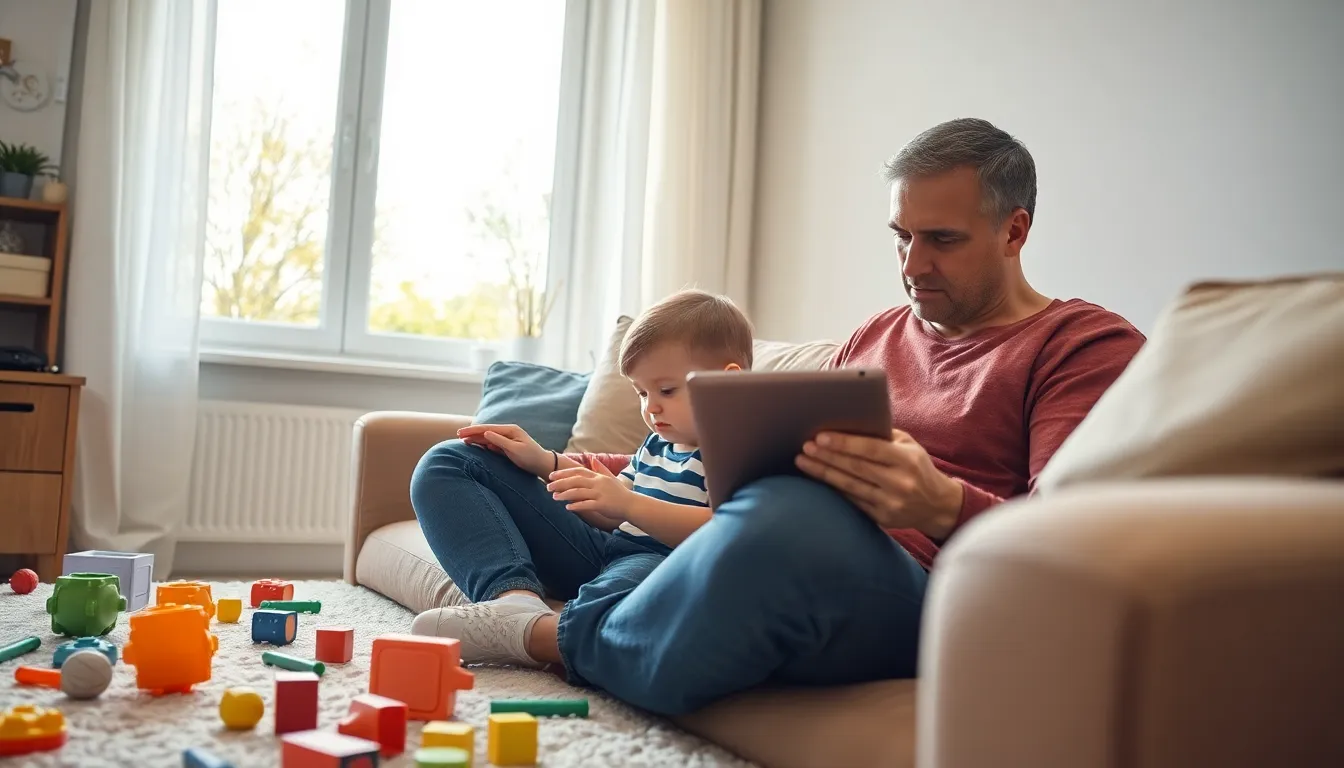
Excessive screen time for kids impacts their health and well-being. Parents need to understand these effects to manage screen use effectively.
Physical Health Concerns
Increased screen time leads to specific physical health issues. Obesity ranks among the top concerns, as children become sedentary when glued to screens. Insufficient physical activity contributes to weight gain, putting kids at risk for chronic conditions. Sleep disruption is another major issue, with screens emitting blue light that interferes with melatonin production. Health experts recommend that kids engage in at least 60 minutes of physical activity daily, yet only 24% achieved this in 2021. Fostering a balance between screen time and outdoor play is crucial for maintaining physical health.
Mental Health Implications
Mental health can decline due to excessive screen time. Increased anxiety and depression rates signal potential emotional distress linked to prolonged device usage. Children often develop social skills challenges when they substitute real-life interactions for virtual engagement. Experts emphasize reducing recreational screen time to 1 to 2 hours daily, especially for younger children. Studies show that families prioritizing face-to-face interactions cultivate healthier emotional development. Active management of screen time habits can significantly improve kids’ mental wellness.
Guidelines for Screen Time
Understanding guidelines is essential for managing children’s screen time effectively. Parents can take actionable steps to ensure balanced usage.
Recommended Screen Time Limits
Experts recommend limiting recreational screen time to 1 to 2 hours daily for children aged 2 to 5 years. Children aged 6 years and older should maintain consistent daily limits that promote healthy habits. Families can establish clear boundaries, encouraging children to engage in other activities. Compliance with these limits supports better physical and mental health outcomes. Research indicates that maintaining these guidelines reduces risks of obesity and anxiety. Tracking daily screen use helps parents monitor adherence.
Alternative Activities for Kids
Engaging in alternative activities is crucial for children’s development. Outdoor play fosters physical health and social interactions, providing various advantages. Families can encourage sports like soccer or basketball, promoting teamwork and fitness. Arts and crafts stimulate creativity, allowing for self-expression outside screen use. Reading books builds literacy skills and imagination, serving as a valuable transition from screens. Educational board games also enhance cognitive skills while fostering family bonding. Prioritizing such activities leads to balanced lifestyles and improved well-being.
Tips for Managing Screen Time
Managing screen time effectively requires thoughtful strategies tailored to children’s needs. Parents can implement guidelines that encourage healthier habits.
Setting Boundaries
Establishing clear boundaries is essential for managing screen time. Designate specific times for screen use, such as during homework breaks or family time. Implement a schedule that includes both screen time and offline activities, ensuring children understand these limits. Consistent enforcement of boundaries promotes healthier habits. Parents can use apps or parental controls to monitor usage, providing insights into daily screen time. Encourage children to participate in setting these limits, fostering a sense of responsibility. Establishing tech-free zones, like dining areas or bedrooms, encourages conversation and family bonding.
Encouraging Active Engagement
Encouraging active engagement helps balance screen time with physical activity. Introduce outdoor playtime, sports, or family walks to enhance health and well-being. Children can participate in activities like dance, swimming, or martial arts, which promote fitness and social skills. Consider incorporating arts and crafts projects to stimulate creativity. Reading together also provides an enriching alternative, fostering a love for books and learning. Using educational board games can create fun family interactions while reinforcing critical thinking. Fostering these engaging activities strengthens family connections and encourages children to explore diverse interests beyond screens.
Managing screen time is crucial for children’s overall health and development. By understanding the risks associated with excessive screen use, parents can take proactive steps to create a balanced lifestyle for their kids. Encouraging outdoor activities and face-to-face interactions not only promotes physical health but also nurtures social skills.
Setting clear boundaries around screen time and providing engaging alternatives can significantly enhance children’s well-being. As families navigate the digital landscape, prioritizing real-life connections and active play will lead to healthier, happier children. It’s time to take charge of screen habits and foster a more enriching environment for the next generation.