Let’s face it: our smartphones often hold a bigger place in our lives than we’d like to admit. If you ever catch yourself wondering how many hours disappeared in a scrolling frenzy, you’re not alone. Luckily, for Samsung users, checking screen time is a piece of cake. Stick around and discover the ins and outs of monitoring that screen time, because knowing is half the battle, for your time, your sanity, and maybe even your social life.
Understanding Screen Time Features
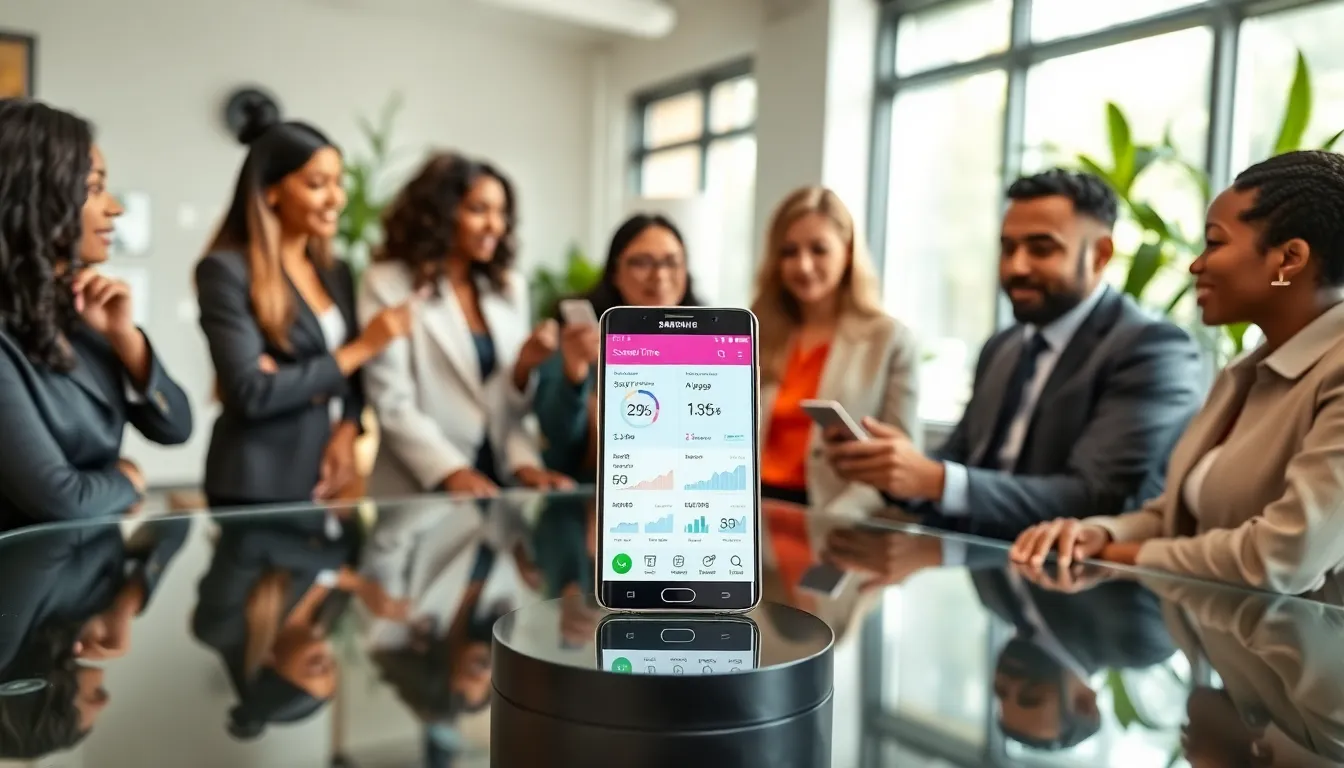
Samsung devices come packed with features designed to keep users aware of their screen time. This concept encapsulates not just the amount of time spent on the device but also on specific applications. The rationale behind this functionality is clear: it encourages better habits and self-regulation about smartphone use.
Screen time features can highlight trends, such as which apps consume the most of the user’s time, analysis that can lead to healthier smartphone interactions. Being aware of these patterns often helps individuals manage their tech use more effectively.
Accessing Digital Wellbeing
One primary tool for checking screen time on Samsung devices is the Digital Wellbeing application. This built-in app not only tracks screen time but also offers insights into app usage. To access it, the user needs to follow these simple steps:
- Open Settings: Unlock the device and navigate to the Settings app by tapping the gear icon.
- Digital Wellbeing & Parental Controls: Scroll down to find the option labeled ‘Digital Wellbeing.’ Tap on it and jump into the world of apps and statistics.
- Explore Your Usage: Here, he or she will find a comprehensive view of daily usage, including graphs and lists detailing daily screen time across various apps.
This feature gives users the power to reflect on their digital habits and reconsider how they spend their device time.
Checking Screen Time Through Settings
Another straightforward method for those curious about their smartphone engagement involves directly navigating through the settings menu. Here’s a quick guide:
- Go Back to Settings: But this time, instead of proceeding to Digital Wellbeing, just stay on the main settings page.
- Connections: Look for the option that pertains to ‘Connections.’
- More Connection Settings: In this area, the user may have an option related to usage statistics or application settings.
- App Watching: Embrace the thoroughness of the ‘App usage’ feature to show time spent on each app.
By following these steps, anyone can grasp a good idea of their screen time without needing any additional apps.
Using Third-Party Applications
For users seeking more extensive tracking options, several third-party applications can supplement Samsung’s built-in features. Popular choices include AppDetox and Moment: these apps boast diverse functionalities for those sincerely craving a better understanding of screen time.
To use a third-party app, here’s what typically needs to happen:
- Download the App: Head to the Google Play Store: this is the gateway to countless useful applications.
- Set Up the App: After downloading, follow the on-screen instructions to set up the app. This often includes granting the app permissions for it to access usage data.
- Monitor Usage: Once everything is set up, check the app regularly to analyze your trends. More insights lead to conscious changes, so utilizing these tools can truly foster healthier habits.
Eventually, a third-party app might just offer the extra edge someone needs to curb excessive screen time.
Setting Screen Time Limits
Once a user knows how to check screen time, the next logical step is to set limitations. Samsung makes this easy through the Digital Wellbeing app, allowing individuals to establish daily timers for each application.
- Opening Digital Wellbeing: Return again to the Digital Wellbeing section.
- Setting Timers: Users will notice options for setting timers beside every app listed.
- Daily Goals: After assigning daily usage lengths, they can track how close they come to reaching these limits, encouraging responsible use.
Many feel empowered once they grasp how to set these limitations. On recognizing that lines exist, it becomes easier to draw them.
Benefits Of Monitoring Screen Time
Why bother checking screen time at all? The answer is simple: knowledge is power. Knowing how much time is spent on a device can lead to numerous benefits.
- Enhanced Productivity: With awareness, users can allocate time better for work or personal projects.
- Mental Well-Being: Having time limits can alleviate anxiety tied to technology, opening up space for real-life engagements.
- Healthy Relationships: By reducing screen time, individuals can foster better relationships with family and friends.
Monitoring screen time cultivates awareness, enabling users to live happier and more balanced lives.