
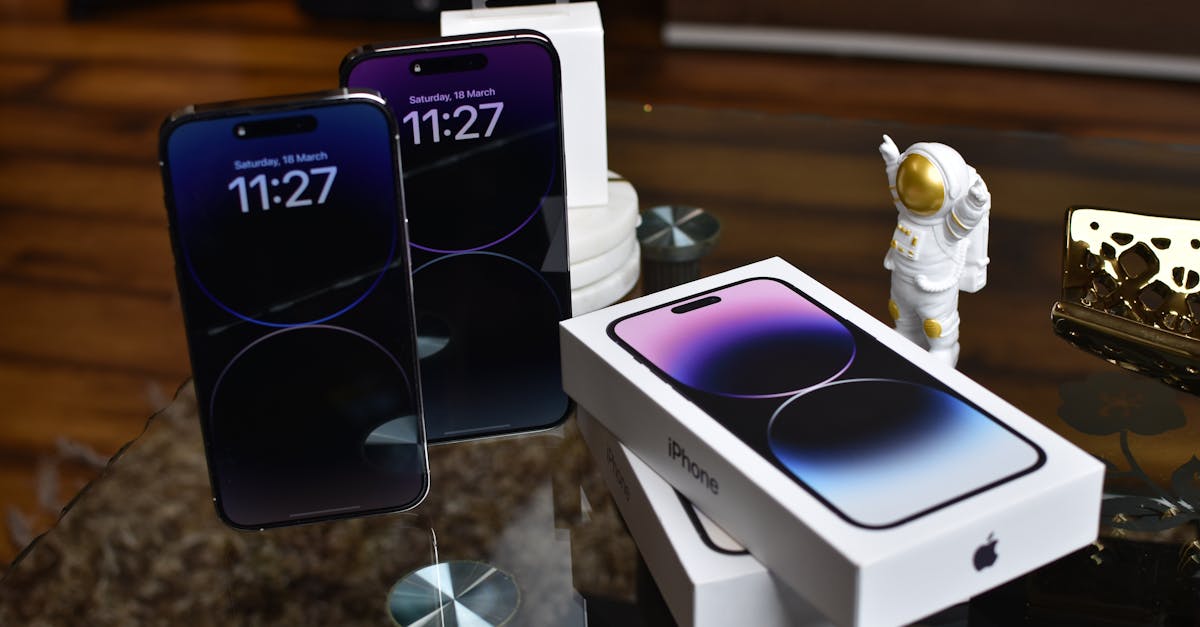
When it comes to picking the perfect iPhone, size really does matter. The iPhone 11 and iPhone 12 might look like twins at first glance, but they’re more like siblings who took different paths in life. One’s a bit chunkier and the other’s sleek and sophisticated, making it tough to decide which one fits better in your pocket—or your lifestyle.
Table of Contents
ToggleOverview of iPhone 11 and iPhone 12 Sizes
The iPhone 11 measures 150.9 x 75.7 x 8.3 mm and weighs 194 grams. This model’s size contributes to a solid feel in hand. In contrast, the iPhone 12 dimensions are 146.7 x 71.5 x 7.4 mm and the phone weighs 164 grams. A thinner profile sets the iPhone 12 apart, enhancing its aesthetic appeal.
Both models feature a 6.1-inch display, but their overall footprint differs due to design changes. The iPhone 11 has a more rounded design, while the iPhone 12 showcases flat edges, giving it a modern look. This variation influences grip comfort and how easily each device fits in pockets or bags.
In terms of screen size, both smartphones present similar usability. Users enjoy vibrant visuals regardless of the model chosen. Display quality remains consistent, with the iPhone 11 offering Liquid Retina HD and the iPhone 12 providing Super Retina XDR. Advanced display capabilities enhance viewing experiences, making both options appealing.
Weight plays a significant role in user experience. The lighter iPhone 12 is easier to carry for extended periods. Enhanced portability may favor users seeking convenience. An individual’s preference for weight and form factor may guide their choice between the two.
Overall, while the iPhone 11 and iPhone 12 share a similar screen size, the differences in dimensions, weight, and design create distinct usability experiences. Selecting between these two models involves considering how size impacts comfort and functionality.
Design Comparison
The iPhone 11 and iPhone 12 showcase different designs that impact user experience. Observing their dimensions reveals significant differences that affect comfort and style.
iPhone 11 Dimensions
The iPhone 11 measures 150.9 mm in height, 75.7 mm in width, and 8.3 mm in thickness. This chunkier design contributes to a solid grip in hand. Weighting 194 grams, it feels substantial compared to the newer model. Rounded edges enhance its comfortable hold, making the phone easy to manage during daily tasks. The layout emphasizes durability, appealing to users who prioritize a robust feel in their devices. With these dimensions, the iPhone 11 offers a balanced experience for those who prefer a more traditional smartphone shape.
iPhone 12 Dimensions
In contrast, the iPhone 12 boasts more compact dimensions at 146.7 mm high, 71.5 mm wide, and 7.4 mm thick. This sleeker design contributes to a lighter weight of 164 grams, providing easier handling. Flat edges offer a contemporary aesthetic while maintaining comfort during prolonged use. The reduction in size enhances portability, making it convenient for users who enjoy sleek devices. Each element aligns with modern trends, catering to those seeking both style and functionality in their smartphones. With these dimensions, the iPhone 12 appeals to a new generation of users.
Weight Differences
Comparing the weights reveals a noticeable distinction between the iPhone 11 and iPhone 12. The iPhone 11, weighing 194 grams, may feel more substantial in hand. In contrast, the iPhone 12, at just 164 grams, provides a lighter, more agile experience.
This weight reduction in the iPhone 12 enhances portability, making it easier to carry in pockets or bags. Users often appreciate how the lighter device contributes to less fatigue during extended use.
Despite this difference, both models maintain similar dimensions, which preserves user familiarity while adjusting to preferences for weight.
When considering usage patterns, the reduced weight of the iPhone 12 may appeal to individuals prioritizing comfort and convenience.
Choosing between the two based on weight can influence daily routines, especially for those who frequently hold their phone for extended periods.
Both models still offer impressive functionality, yet the lighter design in the iPhone 12 may tip the scales for some consumers.
The iPhone 11 and iPhone 12 differ significantly in weight, impacting user experience and comfort levels.
Display Comparison
The display features of the iPhone 11 and iPhone 12 show notable differences despite similar sizes.
Screen Sizes
Both smartphones offer a 6.1-inch screen, ensuring a consistent viewing experience. The iPhone 11’s display occupies a larger bezel, while the iPhone 12 employs a more efficient design. This efficiency leads to a more immersive viewing area, providing users with a slightly larger actual display surface. Users appreciate the iPhone 12’s modern design that maximizes screen space without increasing the phone’s physical size.
Resolution and Quality
Resolution varies significantly between the models. The iPhone 11 offers a resolution of 1792 x 828 pixels, resulting in 326 pixels per inch (PPI). In contrast, the iPhone 12 features a sharper resolution of 2532 x 1170 pixels, boasting 460 PPI. This difference enhances clarity and color accuracy in the iPhone 12, enriching the overall visual experience. Users benefit from deeper blacks and more vibrant colors, especially when viewing HDR content on the iPhone 12.
User Experience
User experience plays a crucial role when comparing the iPhone 11 and iPhone 12. Factors like hand feel, ergonomics, and case compatibility significantly affect daily usage and overall satisfaction.
Hand Feel and Ergonomics
Hand feel differs between the two models. With its rounded edges, the iPhone 11 offers a sturdy grip and traditional feel, appealing to those who prefer a classic smartphone shape. In contrast, the iPhone 12’s flat edges contribute to a modern aesthetic, promoting a sleek hold that many users appreciate for its visually striking design. Despite the iPhone 12’s thinner profile, ergonomics remain a priority; its lighter weight not only enhances comfort but also reduces fatigue during extended use. Users who prioritize comfort and usability find the iPhone 12 increasingly attractive, especially during long phone calls or media consumption.
Case Compatibility
Case compatibility varies for both models. While the iPhone 11 cases fit snugly around its dimensions, the iPhone 12’s unique flat edges require different casing designs. Many third-party manufacturers have adapted their offerings to address this difference, ensuring users find compatible cases that not only fit perfectly but also provide adequate protection. Additionally, those seeking to switch from the iPhone 11 to the iPhone 12 must consider investing in new cases, as existing accessories might not offer the desired fit or functionality. Awareness of these differences helps users make informed decisions when selecting protective gear for their devices.
Choosing between the iPhone 11 and iPhone 12 ultimately comes down to personal preference regarding size and weight. The iPhone 11 offers a classic feel with its rounded edges and solid grip, appealing to those who value a traditional smartphone design. On the other hand, the iPhone 12’s sleek, lightweight profile and modern flat edges cater to users seeking portability and a contemporary look.
Both models provide excellent display quality but differ in resolution and technology. The iPhone 12’s Super Retina XDR display enhances visual clarity and vibrancy, making it a strong contender for media consumption. Ultimately, understanding how these factors align with individual needs will guide users in selecting the right device for their lifestyle.

