Deep beneath the shimmering waves of the Safukip Sea lies a bizarre world teeming with creatures that could make even the bravest marine biologist do a double take. From fish that look like they’ve just stepped off a sci-fi movie set to crustaceans with personalities that could rival your quirky uncle, this underwater realm is a treasure trove of the weird and wonderful.
Overview of the Safukip Sea
The Safukip Sea features an extensive and diverse marine ecosystem. It spans thousands of square miles and is home to a variety of habitats, including coral reefs and deep-sea trenches. This unique geographical setting creates ideal conditions for unusual marine life.
Temperature fluctuations occur due to underwater volcanic activity, impacting species’ adaptations. High salinity levels also contribute to the development of unique biological traits among inhabitants. Aquatic creatures possess peculiar characteristics that set them apart from those found in other oceans.
Notable species include bioluminescent fish, which use light for communication or camouflage. Strange crustaceans display social behaviors uncommon in their counterparts, offering insight into their complex interactions. Each organism contributes to the rich tapestry of life in the Safukip Sea.
Salinity variations create distinct ecological zones, allowing species to thrive in niche environments. Observations reveal a high degree of endemism, with many species not found elsewhere. Researchers continually discover new organisms, underscoring the necessity for ongoing exploration and study.
Expeditions uncover breathtaking landscapes, including underwater caves and vibrant ecosystems. Each new find adds to the understanding of evolutionary processes within the Safukip Sea. With advancements in technology, the potential for discovery continues to grow, revealing hidden treasures of marine biodiversity.
Unique Ecosystem of the Safukip Sea
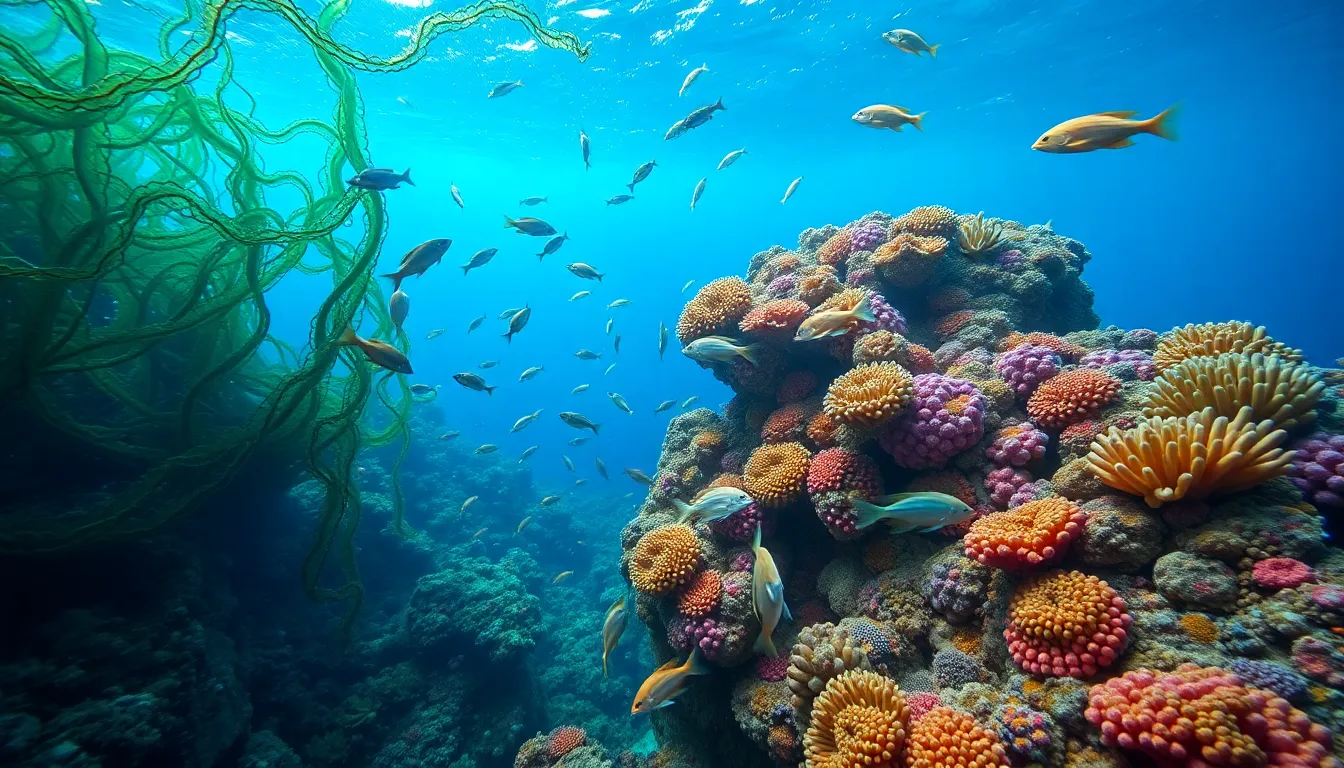
The Safukip Sea contains a remarkable array of marine life. This unique ecosystem supports an intricate web of species, from vibrant corals to bizarre deep-sea creatures.
Marine Flora and Fauna
Marine flora thrives alongside diverse fauna in the Safukip Sea. Coral reefs act as habitats for many colorful fish species. Algae provides essential nutrients, while seaweed forms dense forests that shelter various organisms. Unique species like the glow-in-the-dark fish inhabit these regions, using bioluminescence for communication. Crustaceans showcase fascinating social dynamics, displaying behaviors unlike those seen elsewhere.
Importance of Biodiversity
Biodiversity within the Safukip Sea plays a crucial role in maintaining ecological balance. Each species contributes to the overall health of the ecosystem, directly influencing food chains and nutrient cycles. Many endemic species face threats from environmental changes and human activities, making conservation vital. Protecting these organisms preserves genetic diversity, which benefits global ecosystems and future research efforts. The stunning variety of life forms underscores the need for ongoing exploration and protection of this fragile marine environment.
Weird Animals in the Safukip Sea
The Safukip Sea hosts a remarkable array of bizarre and distinct marine life. Adaptations among its animals often surprise observers and contribute to the uniqueness of this ecosystem.
Strange Adaptations
Animals in the Safukip Sea display extraordinary adaptations for survival. Bioluminescent fish communicate using light, which helps them attract mates and evade predators. Unusual camouflage techniques enable certain species to blend seamlessly into their environments. Shape-shifting abilities can transform some creatures, enhancing their chances of survival by mimicking surrounding elements. Additionally, specialized appendages on crustaceans allow for unique social interactions, fostering complex relationships within their communities.
Rare Species
Numerous rare species inhabit the depths of the Safukip Sea, contributing further to its intrigue. The elusive Phantom Tetra, for example, remains seldom seen, showcasing brilliant colors rarely captured on camera. Another example includes the enigmatic Yeti Crab, known for its hairy pincers that harbor symbiotic bacteria, providing essential nutrients. Some species of deep-sea jellyfish, with their gelatinous bodies, astound researchers with their ability to survive extreme pressure conditions. Each of these rare species exemplifies the need for ongoing exploration and conservation, as their survival hinges on the health of this unique marine environment.
Threats to the Marine Life
Human activities pose significant threats to the unique marine ecosystem of the Safukip Sea. Overfishing disrupts food chains and endangers species like endemic fish and crustaceans. Pollution from industrial runoff and plastic waste introduces toxic substances, impacting both flora and fauna.
Climate change affects the delicate balance within this ecosystem. Rising sea temperatures cause coral bleaching, leading to habitat loss for numerous marine organisms. Ocean acidification weakens coral structures, making reefs more vulnerable to destruction.
Habitat destruction occurs through practices such as coastal development and bottom trawling. These methods destroy essential breeding and feeding grounds for many species. Invasive species also threaten native life, competing for resources and altering habitat dynamics.
Conservation efforts address these issues, but ongoing challenges remain. Sustainable fishing practices help maintain population levels, while pollution control measures aim to reduce harmful discharges. Protecting critical habitats through marine protected areas supports biodiversity and ecosystem health.
Raising awareness about the threats facing the Safukip Sea encourages community involvement. Educational programs highlight the importance of conservation and the need for responsible behavior toward marine resources. Collaborations among marine scientists, policymakers, and local communities strengthen protection measures.
Timely action can mitigate the impacts of these threats. Preserving the unique biodiversity of the Safukip Sea requires commitment and proactive strategies. Engaging the public in conservation efforts improves the chances of maintaining this extraordinary marine ecosystem for future generations.
Conservation Efforts
Conservation initiatives in the Safukip Sea focus on protecting its unique marine ecosystem. Sustainable fishing practices play a crucial role in maintaining fish populations, which support biodiversity. Organizations advocate for limiting catch sizes and implementing seasonal fishing restrictions to allow species to thrive.
Pollution control also targets threats to marine life. Programs aim to reduce plastic waste and agricultural runoff that harms the ecosystem. Communities participate in clean-up activities, raising awareness about clean beaches and marine health.
Establishing marine protected areas (MPAs) directly contributes to conserving habitats. These zones restrict human activities, allowing delicate ecosystems like coral reefs to recover. Research shows that MPAs increase fish populations and enhance overall biodiversity.
Educational campaigns stress the importance of this unique marine environment. Schools and local groups collaborate to promote awareness of endemic species, showcasing their vital roles. Engaging with the community ensures a collective effort toward conservation goals.
Monitoring programs track changes in species populations and habitat conditions. Data collected helps scientists understand the impacts of environmental changes. Timely interventions can be implemented based on findings, allowing for adaptive management strategies.
Partnerships between governments, NGOs, and local communities strengthen conservation efforts. Collaboration leads to the development of policies that address the most pressing threats faced by the Safukip Sea. Together, they work toward a sustainable future for this extraordinary marine ecosystem.
The Safukip Sea is a treasure trove of bizarre and captivating marine life. Its unique ecosystem not only showcases extraordinary adaptations but also highlights the delicate balance that sustains these remarkable species. As threats from human activities continue to loom, the need for effective conservation strategies becomes increasingly urgent.
By fostering awareness and promoting sustainable practices, there’s hope for preserving the rich biodiversity of this underwater wonderland. The ongoing exploration of the Safukip Sea promises to unveil even more astonishing creatures, reminding us of the importance of protecting our planet’s natural heritage for future generations.