
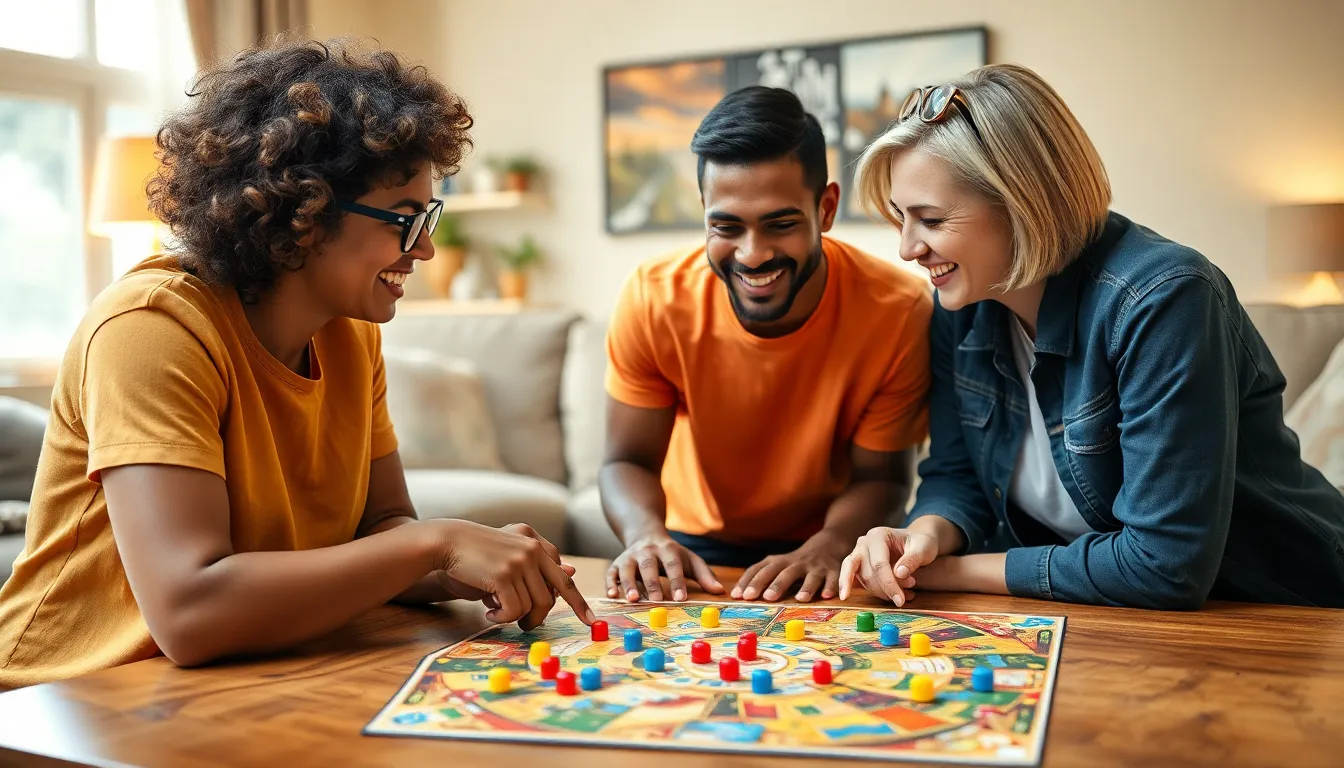
In a world where competition often steals the spotlight, collaborative games are the unsung heroes of fun. These games invite players to join forces, strategize, and tackle challenges together, proving that teamwork really does make the dream work. Whether it’s saving a virtual kingdom or solving puzzles in a frantic race against time, collaborative games create unforgettable moments that strengthen bonds and spark laughter.
Imagine a game night where instead of one person emerging victorious, everyone walks away feeling like champions. That’s the magic of collaboration! Not only do these games foster camaraderie, but they also sharpen critical thinking and communication skills. So grab your friends, put on your game faces, and get ready to dive into a world where cooperation reigns supreme. After all, who needs a trophy when you can have the joy of shared victory?
Overview of Collaborative Games
Collaborative games emphasize teamwork, allowing players to unite against challenges. These games foster an atmosphere where cooperation reigns over competition. Together, participants share goals, navigate obstacles, and achieve outcomes that promote camaraderie.
Players encounter scenarios that require communication and strategy, enhancing both critical thinking and problem-solving skills. Whether in video games or board games, each collaborative experience contributes to stronger bonds among players. Participants celebrate victories collectively, creating lasting memories filled with laughter and joy.
In collaborative settings, individuals often assume specific roles that complement each other’s strengths. This division of tasks boosts efficiency and ensures everyone contributes their unique abilities. Strategic discussions become vital, allowing groups to devise effective solutions.
Numerous popular titles exemplify the essence of collaborative gameplay. Games like “Pandemic” rely on players coordinating actions to save the world from disease outbreaks. Titles such as “Overcooked” compel participants to work together in fast-paced culinary challenges. Each example showcases how collaboration heightens engagement and enjoyment.
Moreover, developing trust among players enhances the overall gaming experience. Trust encourages risk-taking and open communication, vital components of successful collaboration. Players also learn to respect different viewpoints, leading to healthier interactions both in and out of games.
Through collaborative games, individuals not only enjoy shared experiences but also cultivate valuable life skills. Teamwork, communication, and empathy become essential attributes that extend beyond gaming. Engaging in these games enriches not just recreation but personal growth as well.
Types of Collaborative Games
Collaborative games come in various formats, each offering unique ways for players to work together. Understanding the types helps players choose activities that suit their preferences and strengths.
Board Games
Board games emphasize face-to-face interaction and strategic thinking. Players often assume roles that enhance gameplay dynamics, leading to deeper connections. Titles like “Pandemic” require teamwork to fight off disease outbreaks, fostering communication and planning. Other games, such as “Forbidden Island,” revolve around cooperation to recover treasures, highlighting problem-solving. Many board games include mechanics that depend on players relying on each other, reinforcing the need for collaboration. These features create an engaging atmosphere that promotes trust and effective group dynamics.
Video Games
Video games provide immersive worlds where teams can collaborate in digital settings. Titles like “Overcooked” focus on time management and cooperation to serve meals efficiently. Other multiplayer games enable players to combine skills, tackling challenges as a united front. Strategies often revolve around clear communication and role assignments, enhancing overall gameplay experience. Cooperative video games, such as “Destiny 2,” require players to join forces to defeat powerful bosses, encouraging team coordination. Gamers find these experiences stimulate critical thinking while building friendships through shared victories.
Outdoor Games
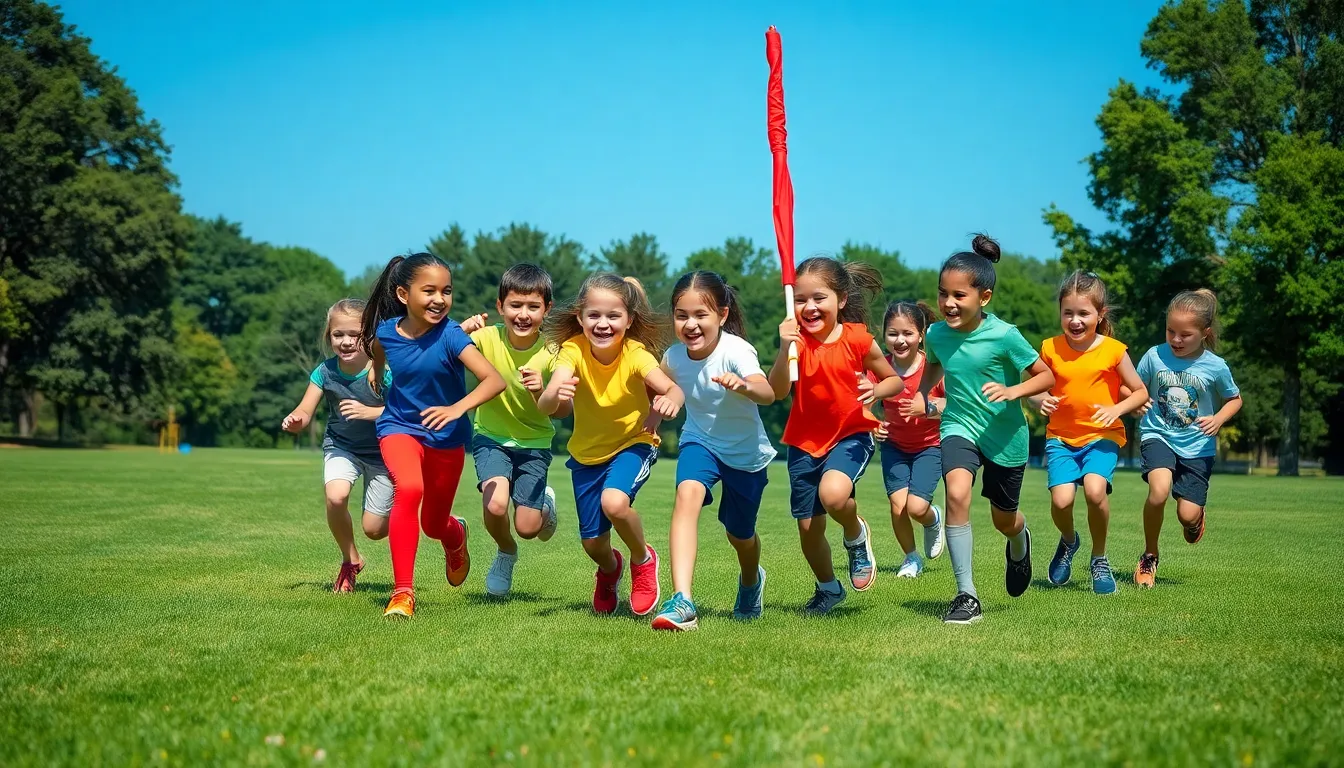
Outdoor games offer active environments that promote cooperation and healthy competition. Examples like “Capture the Flag” require teamwork to strategize movements and protect teammates. Other games, such as scavenger hunts, challenge groups to work together while exploring their surroundings. The physical aspect of outdoor games fosters camaraderie, as players engage in shared challenges and goals. Many outdoor collaborative activities strengthen relationships through informal communication and strategic planning, providing memorable experiences that last beyond the game. These interactions enhance both personal development and social skills.
Benefits of Collaborative Games
Collaborative games provide numerous benefits, enhancing both social interactions and individual skills. Players can develop essential abilities in teamwork and communication while enjoying shared experiences.
Enhancing Teamwork
Teamwork plays a crucial role in collaborative games. Participants learn to rely on each other’s strengths, encouraging unity and support. Roles frequently emerge naturally within gameplay, allowing individuals to contribute effectively. This dynamic fosters a sense of purpose where each member feels valued. Players engage in strategic planning, setting common objectives with teammates that lead to successful outcomes. Celebrating victories solidifies bonds, creating lasting memories. Regular participation in such games can significantly sharpen collective problem-solving skills. Ultimately, the essence of collaboration strengthens not just teamwork but also friendships among players.
Improving Communication Skills
Communication skills improve notably through collaborative games. Players navigate challenges that require clear dialogue, promoting active listening. Direct interaction fosters an environment where individuals learn to express ideas and concerns openly. Frequent discussions throughout gameplay build confidence in articulating thoughts. Feedback becomes essential, helping players understand different perspectives and adapt strategies accordingly. Teams often brainstorm to strategize effectively, ensuring all voices are heard. In this supportive atmosphere, empathy flourishes, enhancing interpersonal relationships. Participants develop a fluent exchange of ideas that extends beyond the game, enriching their everyday interactions.
Popular Collaborative Games
Collaborative games engage players in enjoyable teamwork experiences. Various titles appeal to different age groups and interests.
Examples for Adults
“Pandemic” combines strategy and cooperation, requiring players to work urgently to stop global outbreaks. Another favorite, “Escape Room: The Game,” challenges participants to solve puzzles under pressure, encouraging communication and teamwork. “Overcooked” brings culinary chaos to life as players collaborate to cook and serve meals, while managing chaos in the kitchen. Lastly, “Wingspan” offers a relaxing approach where players nurture bird habitats together, fostering a peaceful, shared environment.
Examples for Children
“Forbidden Island” allows kids to team up as treasure hunters working to escape a sinking island. “Ghost Stories” immerses young players in a cooperative battle against evil spirits, enhancing problem-solving skills. “Outfoxed!” promotes teamwork and deduction as players gather clues to catch a crafty thief. “The Game of Life” provides an interactive way for children to navigate life’s choices, emphasizing cooperation and shared decision-making.
Collaborative games stand out as a powerful tool for fostering teamwork and enhancing social interactions. They create an environment where players can share experiences and develop essential life skills such as communication and empathy. The joy of overcoming challenges together not only strengthens friendships but also builds trust among participants.
As players engage in various scenarios, they learn to appreciate each other’s strengths and contributions. Whether through board games, video games, or outdoor activities, the essence of collaboration remains the same. These games not only entertain but also enrich personal growth, making them an invaluable addition to any gathering. Embracing collaborative gameplay opens doors to memorable experiences and lasting connections.

