

Card games have been a staple of entertainment for centuries, bringing people together for laughter, strategy, and a bit of friendly competition. Whether it’s a high-stakes poker night or a casual game of Uno, these little rectangles of cardboard pack a punch in the fun department. They’ve got the power to turn a dull evening into a riotous adventure, all while testing your wits and luck.
Overview of Card Games
Card games encompass a diverse range of activities designed for varying numbers of players. They include classic games like bridge and rummy, modern favorites such as Magic: The Gathering and Cards Against Humanity, and simple games like Go Fish. Players utilize decks of cards, which can feature standard meanings or unique design elements. Understanding the rules and objectives of each game adds depth to the experience.
Statistics reveal that card games engage millions worldwide. Research indicates that over 80% of households own at least one deck of cards, highlighting their accessibility. They cater to all ages, providing entertainment for children and adults alike. Events like family gatherings or parties often feature card games, enhancing social interaction among participants.
Different categories of card games exist, such as trick-taking, shedding, or collecting. Trick-taking games challenge players to win individual rounds, while shedding games focus on getting rid of cards. Collecting games prioritize gathering sets or achieving specific combinations. This variety ensures that players can find games that suit their preferences and skill levels.
In competitive environments, card games like poker attract significant attention and professional tournaments. High-stakes play introduces an element of strategy and psychological tactics. Casual games, on the other hand, focus more on relaxation and fun without the pressure of competition.
Ultimately, card games transform social gatherings into memorable experiences. Their blend of strategy, chance, and social interaction makes them a timeless source of entertainment. Whether seeking competitive or casual fun, players find value in engaging with friends and family through these classic pastimes.
Types of Card Games
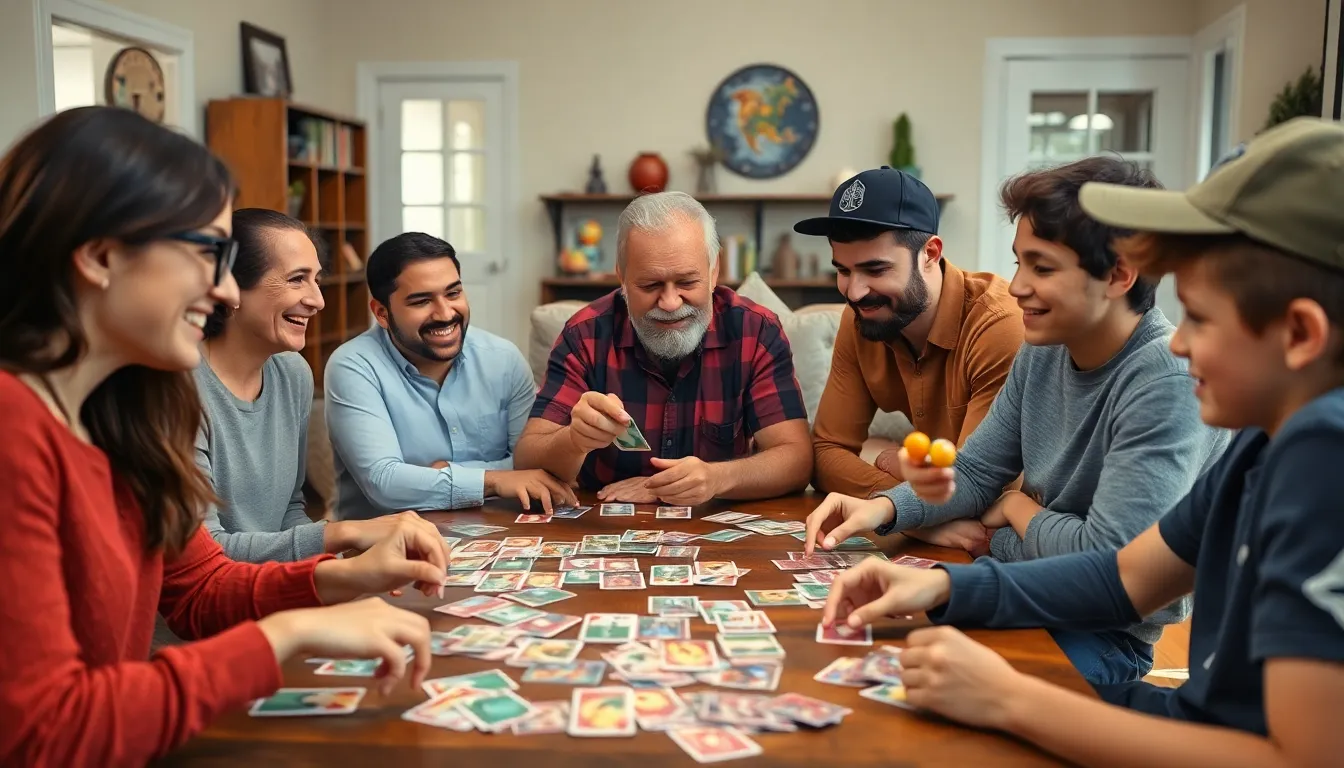
Card games encompass various styles and formats, appealing to players of all ages and skill levels.
Traditional Card Games
Traditional card games include classics that have stood the test of time. Examples like bridge and rummy focus on strategy, combining skill and chance to engage players. Many people enjoy games that involve trick-taking, which emphasize clever play and tactical moves. Other options, such as Go Fish and Crazy Eights, offer simple rules, making them accessible to younger players. Most households possess at least one deck of cards, facilitating easy access to these enduring favorites. Popularity of these games remains high due to their social aspects and competitive nature.
Modern Card Games
Modern card games are innovative, often incorporating unique themes and mechanics. Games such as Magic: The Gathering and Cards Against Humanity challenge players to think creatively and adapt their strategies. Many of these games fall into categories like collectible card games or party games, enhancing their appeal. With diverse player counts and gameplay styles, options include cooperative experiences like The Crew, which require teamwork to achieve common goals. Market trends indicate substantial growth in modern card games, reflecting ongoing interest in fresh and engaging gameplay. Diverse themes draw in a wide range of audiences, ensuring continued popularity.
Benefits of Playing Card Games
Card games offer numerous benefits that enhance personal and social experiences. They create opportunities for players to engage with others while developing valuable skills.
Social Interaction
Card games foster social connections among players. Players share laughter, build friendships, and strengthen bonds through competition and teamwork. Engaging in card games often leads to animated discussions, creating a vibrant atmosphere. Families frequently gather around the table for an evening of card games, deepening relationships across generations. Games like poker or bridge encourage strategic conversations, enhancing the sense of community. Casual games provide a more relaxed setting, allowing everyone to participate regardless of skill level. Overall, the shared experience of playing cards cultivates social skills and creates lasting memories.
Cognitive Skills Development
Playing card games enhances cognitive skills significantly. Participants often develop critical thinking and problem-solving abilities while analyzing strategies and making decisions. Complex games like bridge require players to utilize memory and recall, strengthening mental agility. Engaging with mathematical elements in games boosts numerical skills and promotes logical reasoning. Younger players experience growth in attention span and concentration through gameplay. Games involving bluffing and reading opponents develop psychological insight and emotional intelligence. Card games often serve as effective tools for brain exercise, making them beneficial for both children and adults.
Tips for Choosing Card Games
Choosing the right card game enhances the enjoyment of gameplay. Players should consider factors like audience and complexity to facilitate the best experience.
Consider Your Audience
Understanding the audience is essential when selecting a game. Different age groups and skill levels influence game choice. Families may prefer accessible games like Uno or Go Fish, which cater to younger players. Friends looking for a competitive experience may opt for poker or bridge. Social dynamics also impact the choice; casual settings might suit party games like Cards Against Humanity. Ultimately, knowing your audience helps ensure everyone remains engaged and entertained.
Assessing Game Complexity
Complexity varies significantly in card games. Simple games, such as Go Fish or Crazy Eights, attract beginners due to straightforward rules. Advanced players might enjoy games like Magic: The Gathering or Dominion, which introduce strategic depth. Consider how much time players will invest in learning rules; some players shy away from lengthy instructions. Set expectations accordingly to enhance group participation. Assessing complexity aids in maintaining enthusiasm and minimizing frustration during gameplay.
Card games remain a timeless source of enjoyment and connection among people of all ages. They not only entertain but also bring individuals together, fostering relationships and enhancing social skills. With a vast array of options available, there’s something for everyone, whether seeking a casual game night or a competitive tournament.
The cognitive benefits that come from playing card games further amplify their appeal. As players navigate strategies and engage with opponents, they sharpen their mental acuity and problem-solving skills. Choosing the right game can elevate any gathering, ensuring that everyone has a memorable experience. Embracing the world of card games can lead to countless hours of fun and bonding, making them an essential part of social interactions.

