

In a world where screens dominate playtime, DIY games offer a refreshing escape into creativity and fun. Imagine crafting your own board game or inventing a backyard obstacle course that rivals any amusement park. With a little imagination and some household items, anyone can transform a dull afternoon into an unforgettable adventure.
Not only do DIY games spark joy, but they also bring people together. Whether it’s a family game night or a gathering with friends, these homemade creations create laughter, competition, and lasting memories. So why settle for another round of the same old video games when you can unleash your inner game designer? Dive into the world of DIY games and discover how easy it is to turn ordinary moments into extraordinary experiences.
Overview of DIY Games
DIY games present a creative way to engage individuals of all ages. These games encompass a variety of formats, including board games, card games, and outdoor activities. Crafting these games allows for personalization, fostering a sense of ownership and pride.
Individuals can use everyday items to create unique gameplay experiences. For example, cardboard serves as an excellent base for a board game, while household objects can transform into game pieces. Personalization not only enhances enjoyment but also encourages creativity and problem-solving skills.
Social interaction thrives within DIY games, often leading to memorable moments. Friends and family can work together to design and play these games, strengthening relationships. Engaging in DIY projects brings people closer, providing opportunities for cooperation and communication.
Various resources exist to inspire DIY game creation. Numerous online platforms offer templates and tutorials for crafting different game types. Local community centers may also hold workshops focused on DIY games, enabling participants to learn skills while enjoying group activities.
Time spent on DIY projects contributes to skill development. Individuals learn to follow instructions, manage resources, and think critically. Balancing these elements ensures a rewarding experience for both creators and players.
Flexibility plays a key role in the appeal of DIY games. Each game can be tailored to fit specific interests, age groups, and skill levels. Customizing rules or adapting themes adds an extra layer of fun, ensuring continued enjoyment.
DIY games provide a delightful alternative to traditional entertainment forms. Anyone can embrace creativity, craft games, and create lasting memories, transforming everyday moments into adventures.
Types of DIY Games
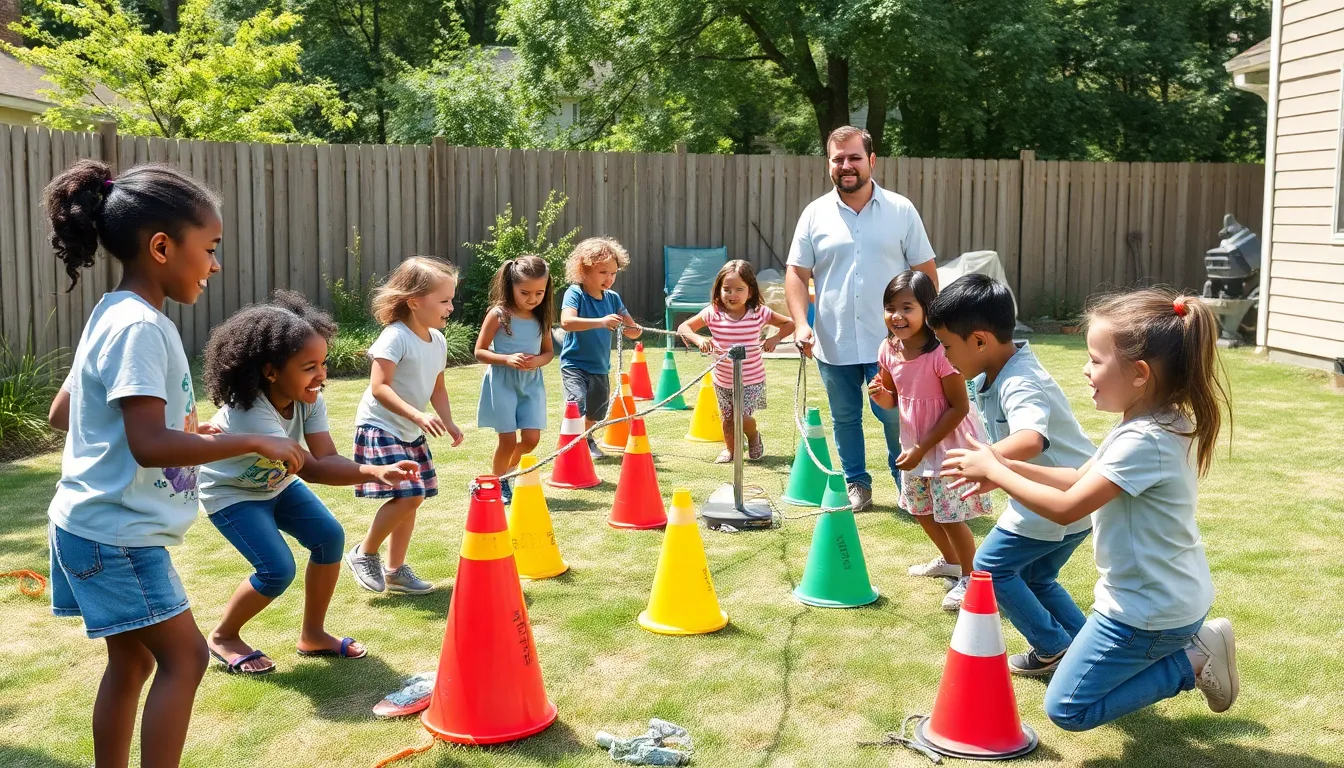
DIY games encompass a variety of formats that attract people of all ages. Here are some key types.
Craft-Based Games
Craft-based games blend creativity with gameplay. Players can design unique board games or card games using materials like cardboard, paper, or recycled items. They allow for personalization, fostering engagement and ownership. Players often gather to create themes that resonate with their interests, leading to enjoyable experiences. For instance, customizing game pieces or developing unique rules amplifies excitement during game night. Such projects develop problem-solving skills, as creators must think critically about gameplay mechanics and balance.
Outdoor DIY Games
Outdoor DIY games provide an energetic alternative to traditional activities. Players can create obstacle courses, scavenger hunts, or relay races using everyday items. Simple materials, like cones, ropes, or even natural elements, transform backyards into adventure zones. Competition often encourages teamwork, social bonding, and outdoor fun. Participants can incorporate physical challenges that promote fitness and balance while enjoying the fresh air. Themes can vary widely, ensuring that players continually discover new ways to engage with nature and each other.
Indoor DIY Games
Indoor DIY games focus on creativity within the home. Options range from trivia contests to activity-based games that utilize household items. Players turn ordinary objects into tools for fun, fostering imagination. Board games and puzzles constructed from simple materials can captivate families during rainy days. Customizing indoor games often reflects personal preferences and allows for easy adaptation to various skill levels, ensuring inclusivity. Creativity thrives in designing unique gameplay experiences, making each session different and memorable.
Benefits of DIY Games
DIY games offer numerous advantages that enhance enjoyment and engagement. One significant benefit is the opportunity to tap into creativity, allowing players to design their own games tailored to their interests and preferences.
Encouraging Creativity
Creativity thrives through DIY games. Designing unique game mechanics or aesthetics encourages individuals to express themselves. Players might utilize everyday items otherwise deemed useless, transforming them into engaging game components. This hands-on approach promotes innovative thinking and resourcefulness, fostering skills applicable beyond gaming. Individuals experience a sense of accomplishment upon completing their creations, further boosting self-esteem.
Building Social Skills
Social skills flourish in the environment of DIY games. Collaborative efforts in game creation and gameplay strengthen relationships among family and friends. Engaging in cooperative projects stimulates communication and teamwork, essential elements in building connections. Players learn to negotiate rules, share ideas, and resolve conflicts during gameplay. These interactions create memorable moments that deepen bonds and cultivate a sense of community, making the experience enjoyable for everyone involved.
How to Get Started with DIY Games
Starting with DIY games requires only a few simple steps. Gather essential materials and understand basic game concepts to help streamline the process.
Materials Needed
Every DIY game begins with accessible materials. Common items often include cardboard, paper, scissors, markers, and dice. Craft supplies like glue or tape enhance creativity in designing unique games. Repurposing everyday objects is also beneficial for constructing game pieces or decorations. For outdoor games, consider items like balls, ropes, or cones, which can be found at home or easily obtained. Utilize these materials to create engaging and personalized gameplay experiences.
Basic Game Concepts
Understanding basic game concepts is vital for successful DIY games. Start by defining rules that players can easily follow. Mechanics such as turn-taking and point systems enhance competition and engagement. Consider the target audience when designing gameplay, ensuring it remains appropriate for various ages. Themes can also add depth, allowing creativity to flourish. Balance between challenge and fun is crucial to keep players interested. Modifying existing games can offer inspiration for new ideas, allowing individuals to tailor experiences that resonate with them.
DIY games offer a refreshing way to engage creativity while fostering social connections. By crafting personalized experiences from everyday items, individuals can transform ordinary moments into extraordinary adventures. The joy of collaboration and teamwork enhances relationships and creates lasting memories.
Embracing the world of DIY games not only stimulates innovative thinking but also builds essential life skills. Whether it’s designing a unique board game or organizing an outdoor scavenger hunt, the possibilities are endless. With a little imagination and resourcefulness, anyone can embark on this exciting journey, making every gathering a chance for fun and connection.

